You know that sinking feeling when a spreadsheet breaks and you spend three hours hunting down why the numbers don't match? Here's the thing — nine times out of ten, the culprit is a broken link between workbooks. Linking excel workbooks sounds simple in theory, but get it wrong and your entire report becomes a house of cards. One moved file, one renamed folder, and suddenly your Q4 projections are pulling data from last year's draft. It's maddening.
Look — if you're the person who has to stitch together monthly reports from different departments, or you manage a budget that pulls from three separate workbooks, this pain is personal. You've probably tried everything: copy-pasting values, manually updating references, maybe even giving up and rebuilding the whole thing from scratch. Real talk: that's not sustainable. And with more teams working remotely from shared drives and cloud folders, the margin for error has never been thinner. One wrong cell reference and your boss is looking at last week's numbers.
But here's what nobody tells you: once you understand the actual mechanics — not just the how-to, but the why — these links become your secret weapon instead of your worst nightmare. I've seen people cut their reporting time by 60% just by setting up connections the right way. No more manual reconciliation. No more Friday night spreadsheet emergencies. By the time you finish reading, you'll know exactly how to build links that survive file moves, team changes, and that inevitable "can you update this real quick?" request. I honestly wish someone had shown me this years ago.
Let's be honest for a second: most people who link Excel workbooks do it wrong. They slap together a few cell references, cross their fingers, and move on. Then three months later, they're staring at a spreadsheet full of #REF errors because someone renamed a file or moved a folder. I've seen it happen at companies that should know better. The real skill isn't just connecting data between files—it's building connections that survive the chaos of real-world file management.
The Part of Linking Excel Workbooks Most People Get Wrong
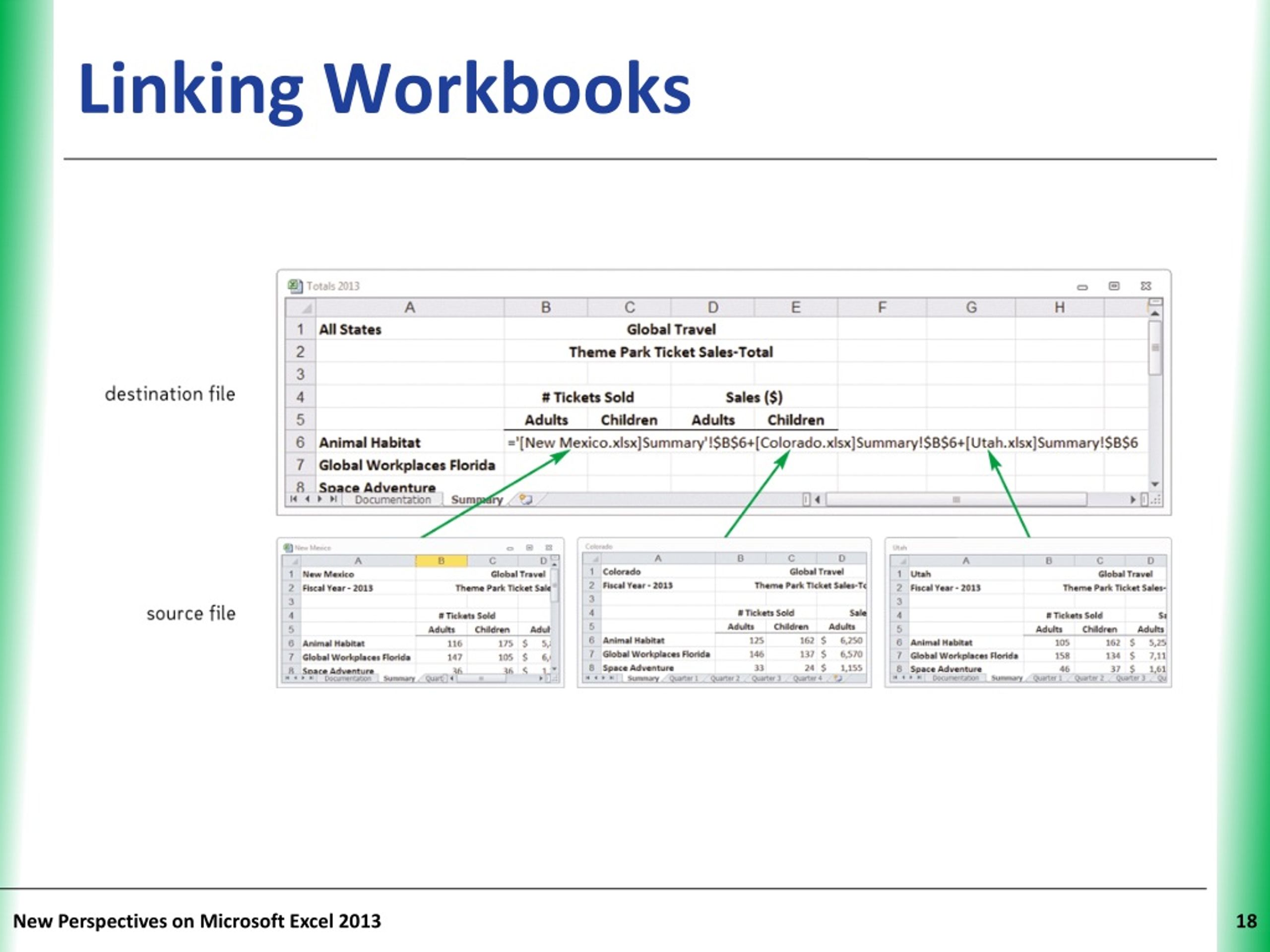
The biggest mistake isn't technical. It's architectural. People treat external references like they're permanent, forgetting that files have a nasty habit of relocating. When you link workbooks, Excel stores the full file path by default. That means C:\Users\YourName\Documents\Q3_Data.xlsx is hard-coded into your formula. Move that source file one folder deeper, and your entire dashboard collapses. The fix is painfully simple but almost nobody does it: keep your source and destination workbooks in the same folder, then use relative paths. Open both files before building your links. Excel will store a shorter, more portable reference. This one habit saved me from a full weekend of repairs during an audit crunch last year.
Here's what nobody tells you: linking workbooks creates a dependency chain that can slow your entire spreadsheet to a crawl. Every time you open the destination file, Excel tries to update every external reference. If you're pulling from ten different workbooks across a network drive, you'll wait. And wait. I've watched finance teams lose fifteen minutes every morning just waiting for links to refresh. The solution is deliberate isolation. Pull only the data you absolutely need. Don't link entire sheets when a single named range will do. Use a dedicated "data import" sheet so you control exactly when and how updates happen.
When to Use Direct References vs. Power Query
This is where experience separates the amateurs from the pros. Direct cell references (like =[Budget.xlsx]Sheet1!$A$1) are fast to set up but brittle. Power Query connections take longer to configure but handle file moves, column renames, and data type changes without breaking. I use direct references only for small, stable datasets that never change location. For anything involving monthly reports, departmental data, or external vendor files, Power Query is the better bet. It also gives you a query log so you can troubleshoot when something goes sideways.
Building a Link Structure That Doesn't Fall Apart
Start with a single master workbook that contains all your source data. Then build your dependent workbooks to pull from that one file. This creates a hub-and-spoke model instead of a tangled web of cross-references. If something breaks, you only have to fix one source file. I've seen teams with workbooks linking to workbooks that link to other workbooks—a nightmare to debug. Keep it flat. Keep it simple. And for the love of spreadsheets, never link to a file that's stored on someone's local C drive. Use a shared network folder or SharePoint. Otherwise, you're one vacation day away from a broken report.
What to Do When Links Break Anyway
They will break. It's not a matter of if, but when. Excel's Edit Links feature (under the Data tab) is your emergency toolkit. You can change source, break links, or check status from one dialog. But here's the trick most people miss: always keep a backup of the original source file before you start editing links. I rename old versions with a date stamp—Sales_Q1_2024_ORIGINAL.xlsx—so I can always revert. If you're dealing with broken links across multiple workbooks, use a simple table to track what connects to what:
| Source Workbook | Destination Workbook | Link Type | Last Verified |
|---|---|---|---|
| Master_Budget.xlsx | Dept_Report_Q2.xlsx | Direct cell reference | 2024-06-15 |
| Sales_Data.xlsx | Dashboard.xlsx | Power Query | 2024-07-01 |
| Inventory.xlsx | Reorder_Calc.xlsx | Named range | 2024-06-28 |
That table lives in a separate metadata sheet inside your main workbook. It takes five minutes to create and saves hours of hunting later. Yes, I'm that person who keeps documentation. You'll thank yourself when the CFO asks why the Q3 numbers don't match and you can point to exactly which link failed.
The Part Most People Skip
Most tutorials teach you the how, but they never tell you the why that actually sticks. Here's the truth: every minute you spend wrestling with disconnected spreadsheets is a minute stolen from the work that actually moves your career forward. Whether you're building financial models, tracking project budgets, or managing inventory across teams, the ability to make your data talk to itself isn't just a technical trick—it's a declaration that you value your own time. When you master this skill, you stop being the person who manually copies numbers and start being the person who builds systems that run themselves. That shift changes how people see you at work, and more importantly, how you see yourself.
You might be thinking, But what if I break something? That tiny hesitation is the only thing standing between you and a workflow that saves you hours every single week. The beauty of linking excel workbooks is that it's reversible, adjustable, and far more forgiving than you imagine. One broken link doesn't crash your business—it just teaches you where to look next. Start with a simple connection between two files, test it, and build from there. Every expert you admire started exactly where you are right now, with one link and a little bit of courage.
Now, take what you've learned and put it to use. Bookmark this page so you can come back when you're knee-deep in your next project. Better yet, forward it to a colleague who still sends you PDF exports instead of live links—they'll thank you later. And if you're hungry for more, browse our gallery of real-world templates that show linking excel workbooks in action across sales dashboards, inventory trackers, and financial reports. Your future self, the one who isn't buried in manual updates, is waiting.